The government presented new legislation where a decision would instead be valid for five years “after the person leaves the country.” It also said it would block the ability of those who had their asylum requests rejected to instead apply for a residence permit based on employment while remaining in the country.
read more
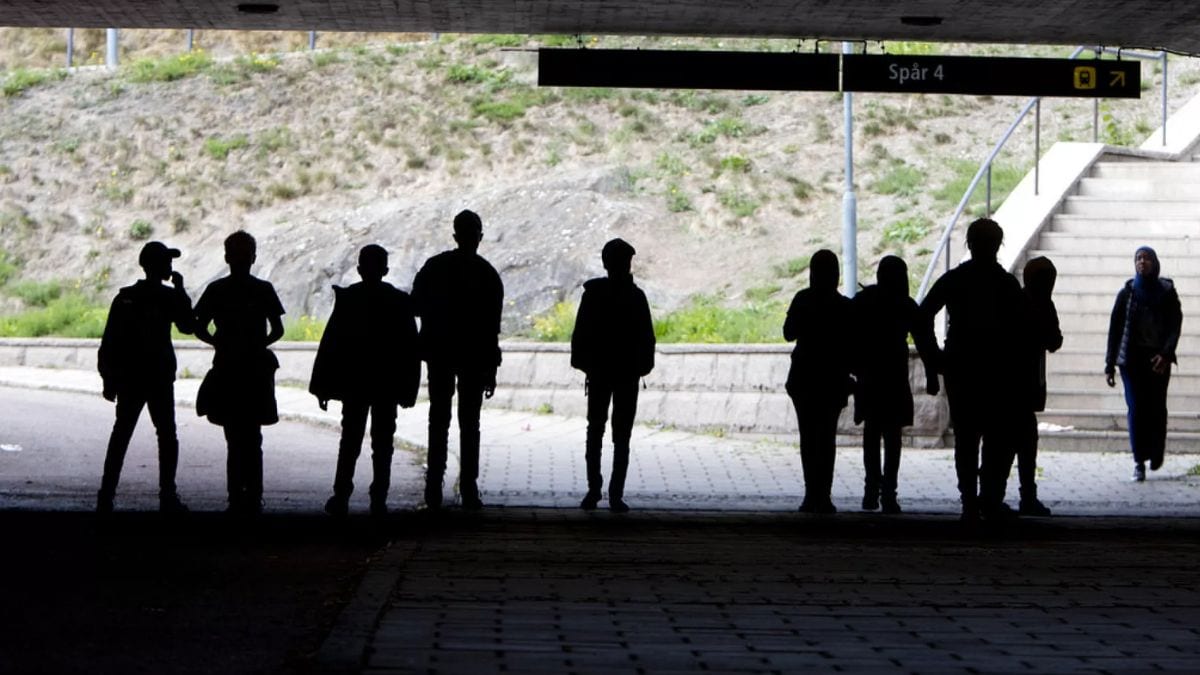
New Swedish bill targets rejected asylum seekers who remain in the country. Representational Image- AP
Sweden’s government introduced a bill on Tuesday to limit rejected asylum seekers from reapplying without first leaving the country. The legislation, which requires parliamentary approval, is proposed to take effect in April next year.
The centre-right minority government, supported by the anti-immigration Sweden Democrats, has prioritized stricter immigration policies since coming to power in 2022.
Addressing the media, Johan Forssell, Minister for Migration said that over seven out of 10 asylum requests were denied. “Hence, you should leave the country,” Forssell said, adding that a “considerable number” did not do so.
Under current legislation, a rejected asylum case and subsequent deportation ruling reaches the statute of limitations four years after the decision comes into force – regardless of whether the person leaves.
The minister said that this meant that rejected asylum seekers have a right to have their case evaluated once again “even if the circumstances have remained the same.”
Forssell lamented that this created incentives for people to “go underground” for four years and then re-apply without leaving Sweden.
The Swedish government has proposed stricter measures to curb reapplications from rejected asylum seekers, citing that roughly 25% of asylum cases in 2023 were from individuals whose previous rejections had expired. Under the new legislation, decisions would remain valid for five years after the individual leaves the country.
Also, the government plans to block rejected asylum seekers from applying for residence permits based on employment while remaining in Sweden. Since the 2015 migrant influx, primarily from Syria, successive governments have imposed increasingly severe asylum restrictions.
Measures include issuing only temporary residence permits to asylum seekers, tightening family reunification requirements and hiking income requirements for work visas for non-EU citizens.
With inputs from agencies.
End of Article